
shoshanaz29118
About shoshanaz29118
Revolutionizing Private Jet Flight: The Rise of Sustainable Aviation Applied Sciences
In recent years, the private jet trade has witnessed a remarkable transformation, pushed by developments in technology and a rising emphasis on sustainability. As the demand for private air travel continues to rise, so too does the need for revolutionary solutions that handle environmental concerns while enhancing the overall flying expertise. This article explores the latest developments in private jet flight, focusing on sustainable aviation applied sciences, improved efficiency, and enhanced passenger consolation.
One of many most important advancements in private jet flight is the emergence of sustainable aviation fuels (SAFs). These biofuels are derived from renewable sources, equivalent to plant oils and agricultural waste, and can considerably scale back the carbon footprint related to air journey. Main private jet manufacturers and operators are more and more investing in SAF analysis and growth, aiming to combine these fuels into their fleets. As an illustration, in 2021, a number of private jet operators successfully carried out flights powered by SAF, demonstrating the feasibility of this eco-pleasant alternative. The aviation trade is focusing on a 50% discount in greenhouse fuel emissions by 2050, and SAFs are a important part of this technique.
Along with sustainable fuels, electric and hybrid-electric propulsion methods are gaining traction within the private aviation sector. Several companies are creating electric jets that promise to revolutionize short-haul flights. For instance, the Alice, an all-electric aircraft from Israeli startup Eviation, goals to supply a zero-emission different for regional journey. With a spread of approximately 1,000 kilometers and the flexibility to accommodate as much as 9 passengers, the Alice represents a major step in direction of sustainable air travel. As battery technology continues to improve, electric jets are expected to change into more viable for longer distances, additional reducing the environmental influence of private aviation.
Another progressive development in private jet flight is the integration of superior avionics and automation applied sciences. Trendy private jets are outfitted with refined navigation and communication techniques that enhance security and efficiency. As an example, the use of synthetic intelligence (AI) and machine studying algorithms allows pilots to optimize flight paths, lowering gas consumption and minimizing delays. Should you loved this short article and you would want to receive much more information regarding privatejetscharter.review generously visit our own site. Moreover, the implementation of advanced weather forecasting programs allows pilots to make knowledgeable decisions, avoiding turbulence and opposed weather conditions. These technological developments not only enhance operational effectivity but in addition enhance the overall passenger experience by making certain smoother and more snug flights.
The concept of city air mobility (UAM) can also be beginning to influence the private jet industry. As cities change into more and more congested, the demand for different transportation options is growing. Vertical takeoff and landing (VTOL) aircraft, which might function in city environments, are gaining popularity as a means of alleviating traffic congestion. Firms like Joby Aviation and Archer are developing electric VTOL aircraft designed for short-distance journey inside city areas. These aircraft have the potential to remodel the way in which individuals access private aviation, allowing for seamless connections between metropolis centers and airports.
In addition to technological advancements, the private jet industry is also specializing in enhancing passenger consolation and experience. The newest models of private jets characteristic luxurious interiors, customizable layouts, and state-of-the-artwork leisure systems. As an example, the Bombardier Global 7500 provides a spacious cabin with a spread of amenities, together with a full galley, a dedicated sleeping space, and advanced connectivity options. Furthermore, the introduction of digital reality (VR) and augmented reality (AR) technologies is ready to revolutionize in-flight entertainment, permitting passengers to enjoy immersive experiences during their journey.
Furthermore, the rise of on-demand private jet services is changing the way in which individuals access private aviation. Corporations like Blade and Wheels Up are leveraging know-how to supply users a extra flexible and handy strategy to guide flights. By means of cell purposes, passengers can easily reserve seats on shared flights or charter total jets at their convenience. This democratization of private air travel is making it extra accessible to a broader audience, permitting people to experience the advantages of private jet travel without the dedication of possession.
As the private jet trade continues to evolve, regulatory our bodies are also adapting to the altering landscape. Governments worldwide are implementing stricter emissions standards and encouraging the adoption of sustainable practices inside the aviation sector. The Worldwide Civil Aviation Organization (ICAO) has set bold targets for decreasing aviation emissions, and private jet operators are more and more aligning their strategies with these objectives. Compliance with these regulations not only enhances the trade’s reputation but additionally positions private jet operators as accountable stewards of the surroundings.
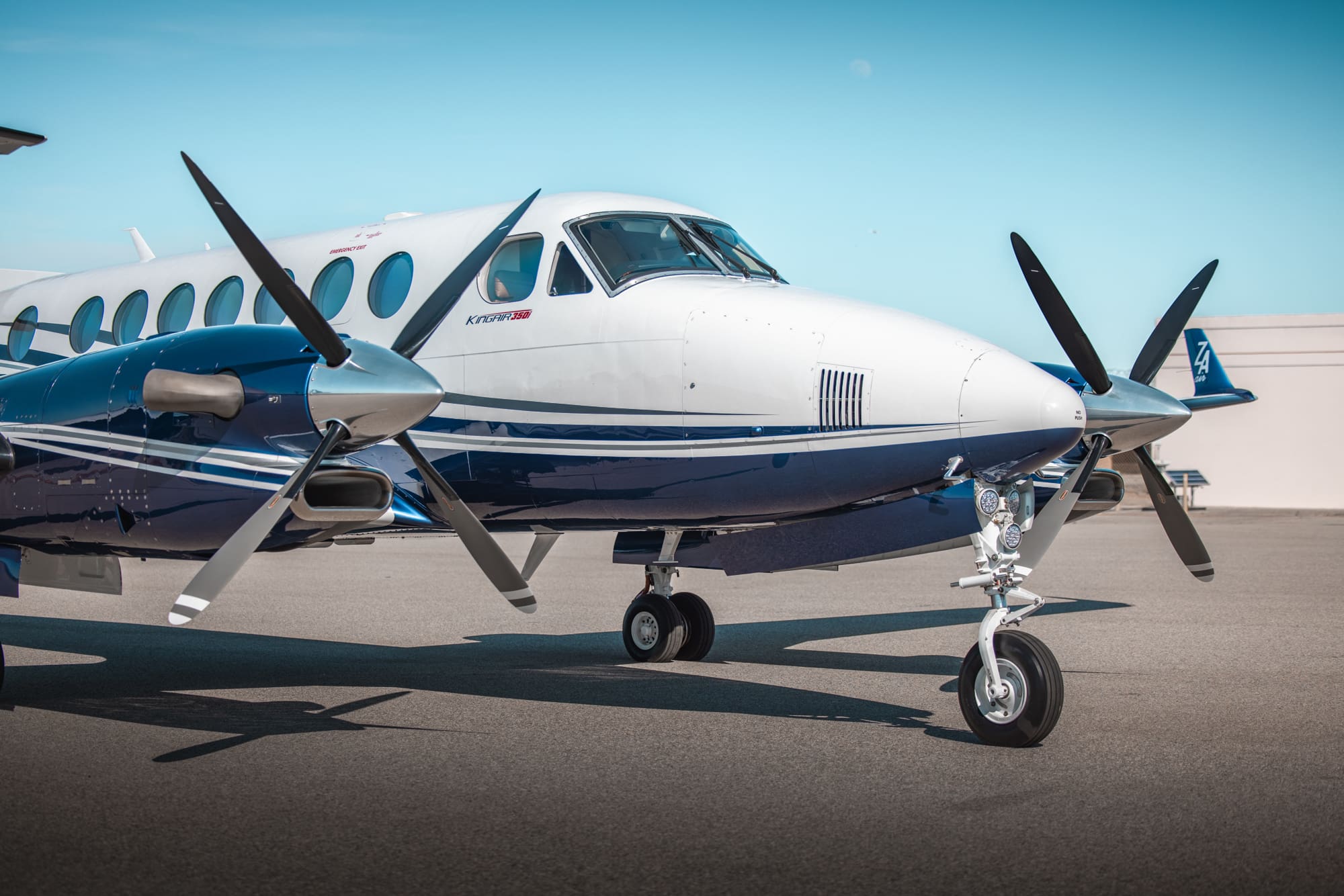
The way forward for private jet flight is undoubtedly exciting, with a plethora of advancements on the horizon. As know-how continues to evolve, we will count on to see further innovations in aircraft design, propulsion methods, and passenger expertise. The combination of sustainable aviation fuels and electric propulsion will play a pivotal function in reducing the environmental impact of private aviation, while advancements in avionics and automation will enhance security and operational efficiency.
In conclusion, the private jet business is undergoing a big transformation, driven by developments in sustainable aviation applied sciences and a commitment to improving the passenger expertise. From the adoption of sustainable fuels to the development of electric aircraft and the integration of advanced avionics, the way forward for private jet flight is poised to be extra efficient, eco-pleasant, and accessible than ever before. As we move forward, it’s essential for business stakeholders to proceed embracing innovation and sustainability, guaranteeing that private aviation stays a viable and responsible mode of journey for generations to return.
No listing found.